
Due to distance, time and cost our ancestors couldn't just buy or make a replacement. They had to fix it or go without. A stain, a broken hinge, a worn-out cloth — the answers that used to be passed down within families were beginning to be printed in a book someone kept by the stove. Nobody was throwing anything away. They couldn't.
Omi Knows Best goes looking for that knowledge. Real formulas, pulled from named 19th-century sources — tested, not just repeated. You probably already have most ingredients in your own kitchen or garage. It turns out most of what we now call "waste" is just something nobody bothered to fix. If it works, I'll tell you. If it doesn't, I'll tell you that too.
I didn't come to this from nostalgia. I came to it from studying how goods move around the world, and where they end up — which is, much too often, in a dumpster because throwing something away is easier than fixing it.
Throwaway culture is not the norm of human history. It's a fairly recent luxury, available mostly to wealthier parts of the world, and only for about a century. For most of the past, and for most of the world today, repair and reuse weren't a lifestyle choice — they were the only option, and people got remarkably good at it. A 19th-century household manual isn't a quaint artifact. It's a working record of exactly how that was done, written by people who had every reason to get it right, because there was no second option waiting on a shelf.
Omi Knows Best isn't trying to guilt someone over a bottle of stain remover. It's just pointing out that the "old" way often worked, cost less, and didn't require a factory, a shipping container, fossil fuels or a landfill at the end of its life — and that most of the time, it's still sitting there in the historical record, waiting to be tried again.
Search every post by subject, material or method — then press Enter.
Real formulas from named 19th-century sources. Tested, not just repeated.
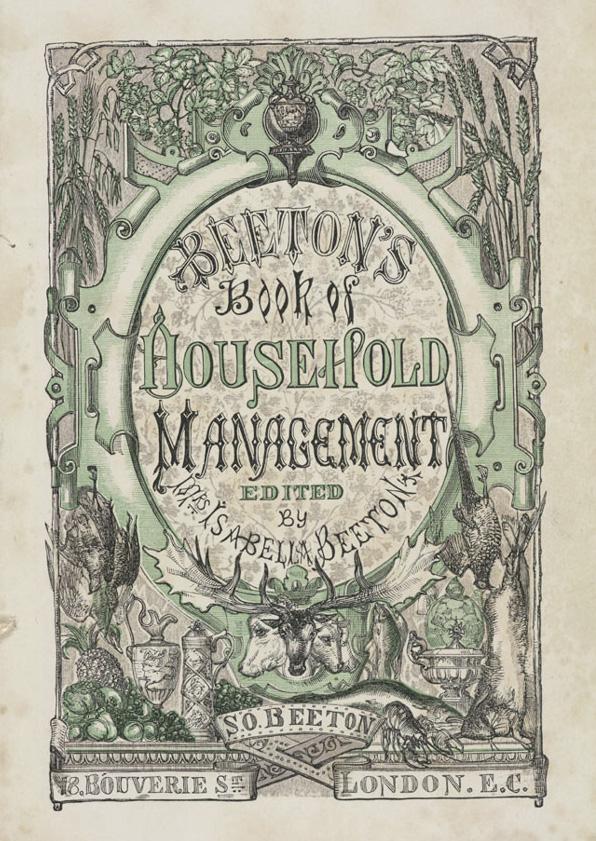
Every formula comes from a named book or newspaper. Every ingredient checked, and swapped where it is not clean.
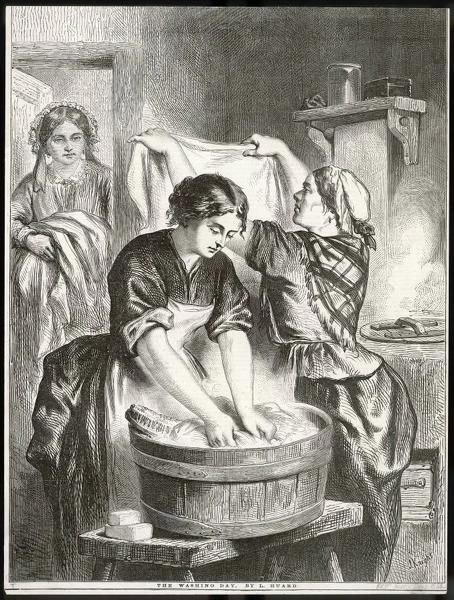
Stains out of linen. Silver back with a pantry paste. Windows without a streak, and a bottle scoured with potato peelings.
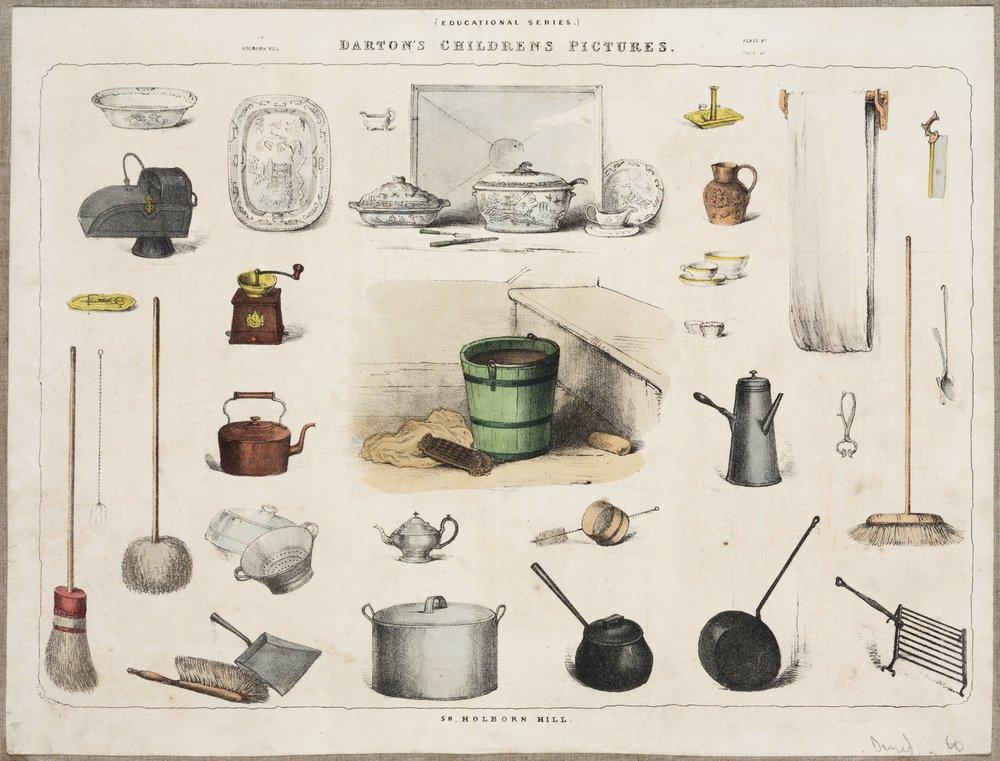
Which tools the household relied on, how they were kept, and how to protect cloth, wood, leather, iron and paper.
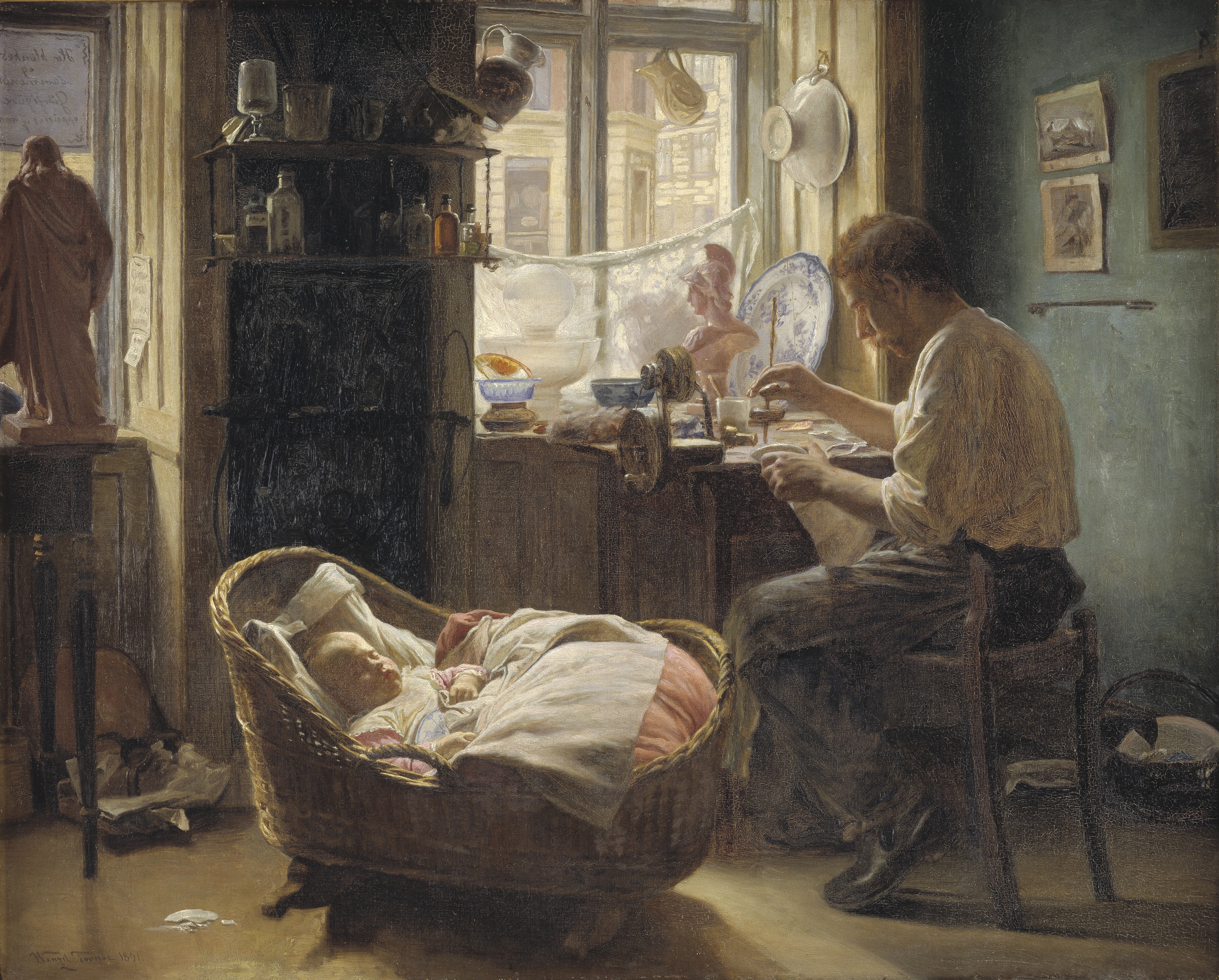
Broken china, a loose cane seat, a split book spine, a kettle carried round to the smith — and what they mended it with.
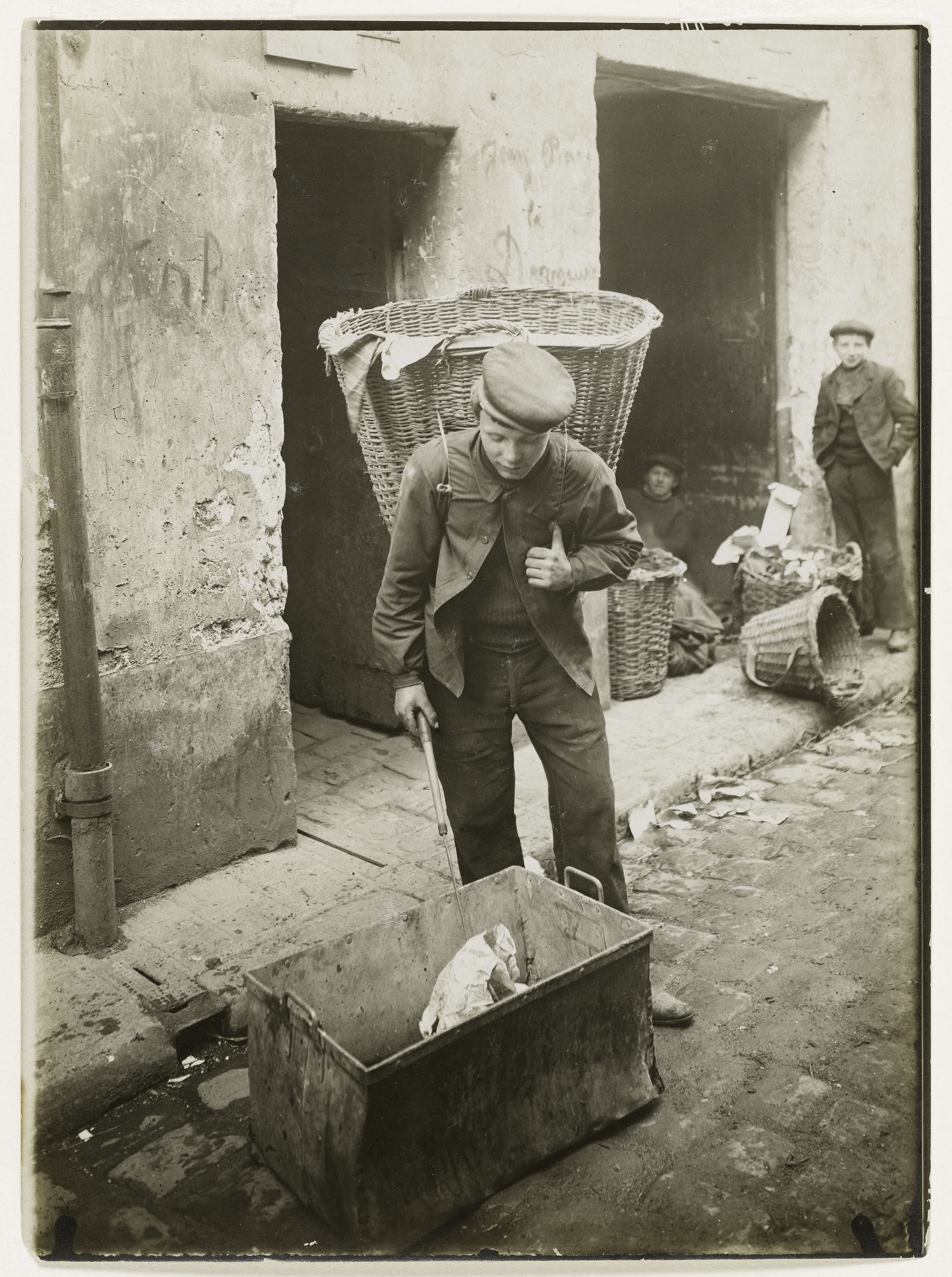
Rope became paper. Scraps became soup. Offcuts became a screen. What a household did instead of throwing a thing away.
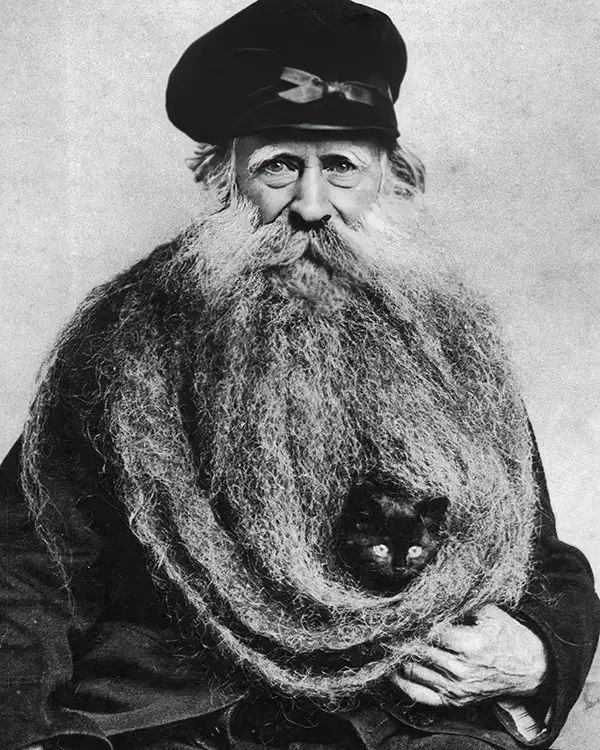
Camphor sold in transparent tablets. Black lead with not a particle of lead in it. A man who let his cats sleep in his beard.
Join the Journey of Practical Nostalgia